

Archive for October/2006

25
Oct

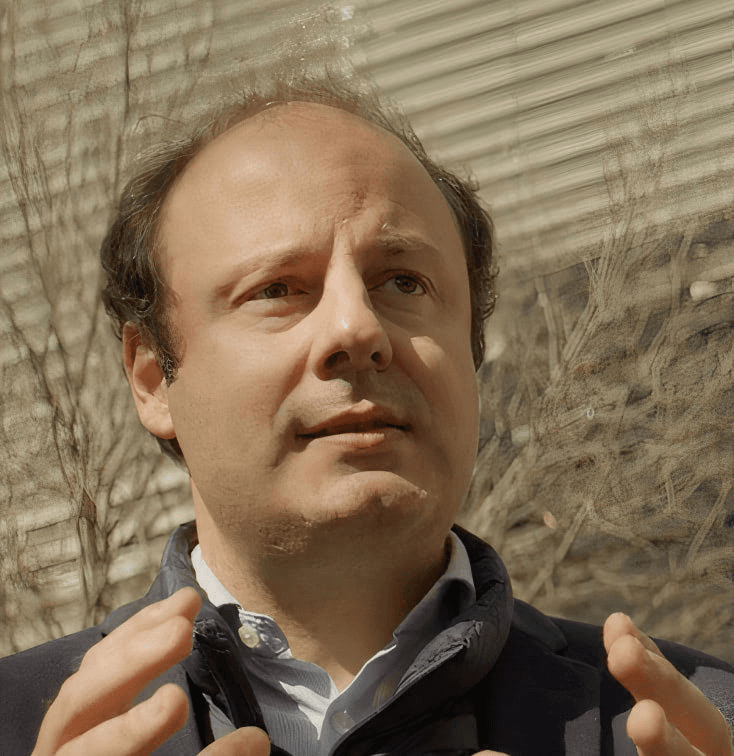
Juan Luis Martinez.jpgJuan Luis Martinez, Instituto de Empresa Business School
Maria Carbonell, Compromiso Empresarial

Hacer negocios con la Base de la Pirámide (en adelante BdP), el segmento de población de más bajos recursos, es un tema que ha merecido una especial atención tanto por parte de la empresa como de las instituciones académicas en los últimos años1. Las condiciones que tradicionalmente se han exigido a un segmento de mercado para poder actuar sobre él han sido que éste sea medible, sustancial, accesible, diferenciable y accionable. Pues bien, todos estos requisitos los reúne el grupo de población más desatendido por las empresas hasta la fecha: el de bajos ingresos, o dicho sin eufemismos, los pobres.
El potencial que tiene el mercado de bajos recursos tanto para el desarrollo de la actividad empresarial, como para reforzar los valores éticos y de servicio es un hecho incuestionable. Los dos pilares en los que se sustenta el planteamiento son:
• Una redignificación de la persona considerándola, no como sujeto pasivo y dependiente, sino como protagonista de su propio desarrollo, capaz de resolver, si le acercamos la oportunidad, sus necesidades de ahorro y consumo.
• Una visión inclusiva del capitalismo, que subsuma a grupos de población artificialmente excluidos de su lógica económica.
BoP.jpg
La empresa, sumida en la búsqueda de nuevos mercados y oportunidades de negocio, puede encontrar en la atención a los más desfavorecidos, un medio de dinamización comercial y de compromiso ético. Sin hacer nada extraño, puede atender a sus clientes tradicionales -los que están en la cúspide de la pirámide de ingresos y consumo- a la vez que dirige su atención a los que están en la base del potencial de compra. Evidentemente, esto no lo podrá hacer sin los imprescindibles ajustes pero éstos no anulan la conveniencia de dirigir su atención al conjunto de población que esta en la BdP.
Los consumidores de bajos recursos han sido tradicionalmente “invisibles” para la empresa ya que sus esfuerzos se han centrado en la parte más alta de la pirámide de ingresos. Han sido considerados, hasta la fecha, como consumidores accidentales, y cuando la comercialización de productos ha tenido éxito entre ellos, no se ha sabido explicar el por qué del mismo, ya que éste no ha sido intencionado. Quizás hemos caído en el error que ya fue vaticinado por Levitt hace algunos años: una “cierta miopía” no nos ha dejado ver la realidad y ha dificultado la identificación de nuevas oportunidades de crear valor y de hacer negocio.
¿Por qué se ha producido esta miopía? En parte por un cierto temor a la innovación, pero también por una falta de comprensión de las necesidades de los pobres. No aproximarse a un mercado potencial de 4.000 millones de consumidores (que son los que ganan menos de 2000 dólares al año) por no querer entender sus pautas de compra y de consumo y por presuponer que nunca serán nuestros clientes (como si no tuvieran las mismas necesidades y anhelos que el resto) es una acomodación peligrosa para una compañía comprometida con el crecimiento. Las empresas suponen que, con tan escasos ingresos, esta gente destina sus gastos a necesidades básicas y que una multitud de barreras hace imposible hacer negocios rentables en las regiones pobres. Tales supuestos reflejan una visión anticuada y restringida. Según Malavé, profesor del IESA, escuela de negocios venezolana, tres son los prejuicios que debemos ir superando:
Los pobres no tienen dinero
Este supuesto suena obvio, pero es superficial y confuso. Aunque cada uno gane muy poco, el poder agregado de las familias y comunidades pobres es grande.
Los gastos de los pobres se limitan a sus necesidades básicas
Al contrario, los pobres suelen comprar artículos de “lujo”. Por ejemplo, la mayoría de los hogares tienen televisor, muchos disponen de cocina de gas y licuadora. Como comprar un coche o una casa no son opciones realistas, en lugar de ahorrar gastan su dinero en cosas que pueden obtener para mejorar su calidad de vida.
Los pobres compran únicamente bienes baratos
La realidad es que los consumidores pobres suelen pagar precios mucho mayores que los consumidores de clase media por los mismos artículos, ya que no tienen acceso a descuentos por volumen. Esto significa que las grandes compañías con economías de escala y cadenas de suministro eficientes tienen una oportunidad real para ofrecer bienes de calidad a precios asequibles y con márgenes atractivos.
Evidentemente, tenemos que conocer con profundidad a las instituciones formales e informales que normalmente sirven a estos mercados, a la vez que hacemos una nueva evaluación de su tamaño económico. Envases unitarios pequeños, bajos márgenes unitarios y gran volumen de venta es la conjunción de factores que requiere el nuevo segmento de mercado. Tres cuestiones básicas se deben resolver: cómo acercar el sistema financiero (tanto los servicios de crédito como de ahorro e inversión), cómo hacer accesibles los avances tecnológicos para permitir la eficiencia de los procesos, y cómo adaptar los productos y marcas a sus hábitos de compra y consumo.
Descarga el artículo completo en Pdf.

Read more…

23
Oct

Development Marketplace 2007

Written on October 23, 2006 by Max Oliva in Social Entrepreneurship

DM07web_banner_cropped2.jpg Development Marketplace 2007 is here. The World Bank’s program identifies and supports development projects which are innovative on the improvement of health, nutrition and population outcomes of poor people in developing countries. It takes into account innovation, measurability, sustainability, growth potential and realism of the venture.
Alex Corrie, IMBA 2006, took part of the Development Marketplace 2006, making it to the finals. It is a very enriching opportunity which should not be missed. Not only the prizes, which sum up more than $4 million US dollars, but the possibility of interacting with other social entrepreneurs while getting feedback from world colleagues is extremely valuable.
The deadline to apply is November 17th, Apply Now.

23
Oct

Muhammad Yunus.jpg
Muhammad Yunus, the microfinance entrepreneur and founder of the world renowned Grameen Bank, won the Nobel Peace Prize last week. It is a tremendous achievement which will bring not just microfinance but social entrepreneurship and BoP to the spotlight. Their efforts to create social and economic benefit addressing the world poor has proven not only to be an innovative idea, but a sustainable one which can directly be related to poverty reduction, thus having a direct impact on world peace.
The Grameen Bank has issued more than US$ 5.1 billion to 5.3 million borrowers, having the model being used in more than 23 countries. The Norwegian Nobel Prize Committee explained it as follows: “Lasting peace cannot be achieved unless large population groups find ways in which to break out of poverty. Micro-credit is one such means. Development from below also serves to advance democracy and human rights.”
There are more initiatives intended to relieve poverty through other sectors, such as the Grameen Phone, Grameen Star Education and Grameen Check. Our most sincere congratulations to the 2006 Nobel Peace Prize Laureate.
Know more about Muhammad Yunus
Know more about the Grameen Bank
Ashoka’s Video Series, Featuring Muhammad Yunus

22
Oct

Celia.jpg Mentors include the Regional Minister for Employment and Women of Comunidad de Madrid, Juan José Güemes, and the Dean of IE.
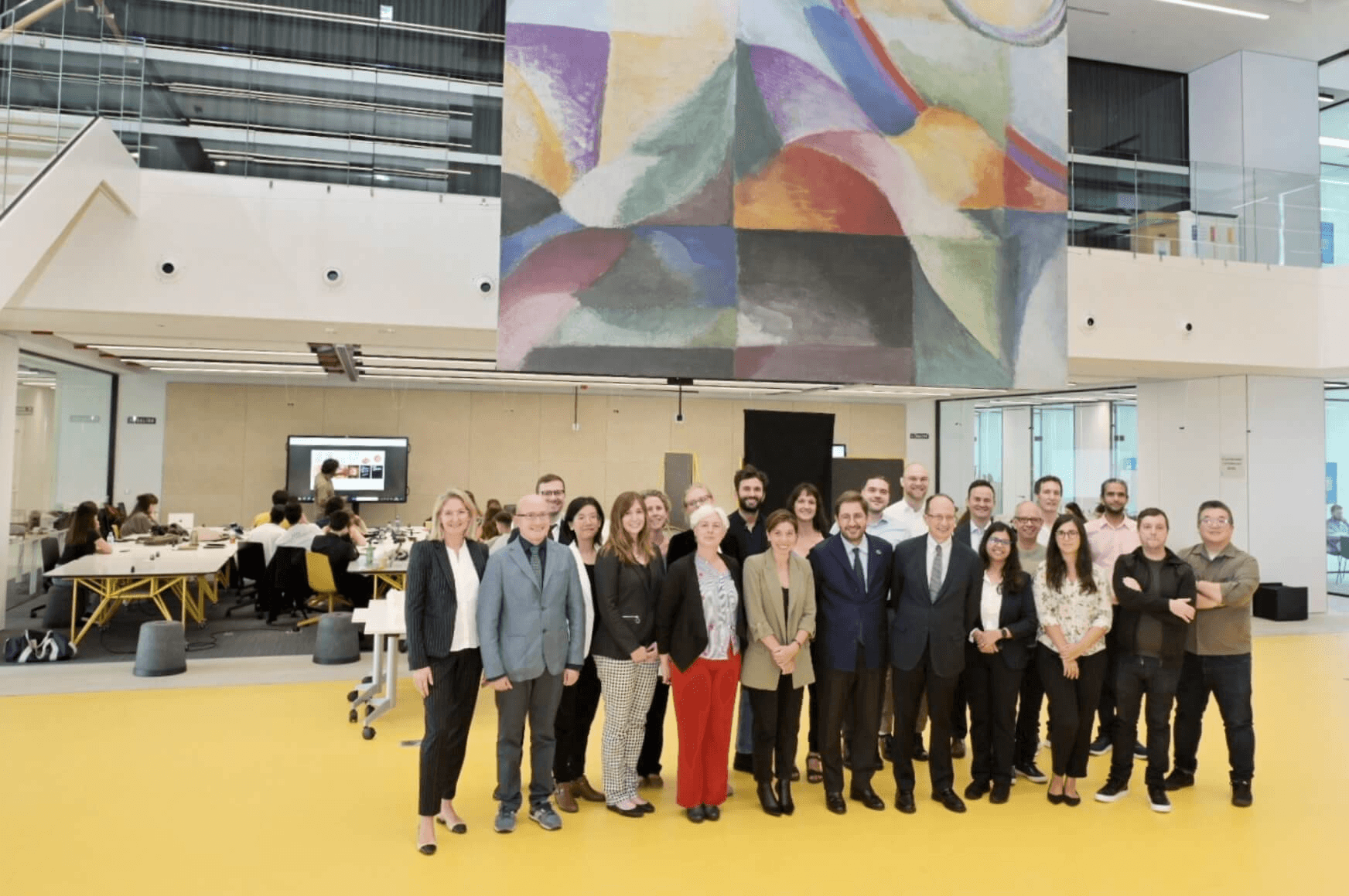
Madrid, 4 October 2006. IE Business School brought together 60 mentors and mentees at one of the first activities of the IE Mentor Programme. The event was part of the LiderA programme run by Comunidad de Madrid and involved the collaboration of the Washington Quality Group. The programme has come about thanks to the close collaboration between IE’s Centre for Diversity and IE Women in Business, which coordinates a significant group of female alumni from IE Business School who wish to offer their support to the new generations of IE students and ensure the future existence of the programme.
The IE Mentor programme provides a link between prestigious professionals and recipients of LiderA programme scholarships, young women with high potential from the Madrid region who are currently following different programmes at IE Business School. The initiative arose because young professionals often feel that education and experience are not enough to help them grow in the higher echelons of business management. Women find it particularly difficult to balance their private and professional lives, and need support which, from experience, reinforces their capacity for decision and professional focus.
The Regional Minister for Employment and Women of Comunidad de Madrid, Juan José Güemes, and the Director of the General Department of Women of Comunidad de Madrid, Patricia Flores, took part in the workshop that brought together the recipients of LiderA scholarships and approximately 30 prestigious professionals who are to become their mentors during the 2006-2007 academic year.
The event also involved various executives from leading firms who took part in the programme as executive mentors. They included Isabel Linares Liébana, President of Fundación Sanitas, which also supplied three of its top level executives; Carmen García de Andrés, the partner responsible for the Women’s Group at PricewaterhouseCoopers España, who was accompanied by several of the company’s partners; and several executives supplied by IBM for participation in this project as mentors, including Dominga Jorgegrac Santísima Trinidad, Technical Sales Director of SPGIT, IBM.
According to Celia de Anca, Director of the Centre for Diversity at IE, “the mentors’ role consists of providing professional guidance during the mentees’ year of study to improve the focus of their executive career after graduation. A good mentor can have a fundamental, lasting effect on the development of a professional career.”
Mentors from the IE Community include Juan Miguel Antoñanzas, Senior Advisor, H. Neumann, Alstom and Honorary President of the IE Business School Advisory Board, and the Dean of IE Business School, Santiago Iñiguez de Onzoño. They are joined by outstanding IE alumni, such as Mariona Roger, General Secretary of ONO, and a number of IE professors, including Carmen Abril Barrie, Vice-President of Marketing for Spain and Greece at PepsiCo.
The IE Mentor Programme has been created to last and each year, new mentors and mentees will extend the support offered to future young professionals that form part of the IE community.