
Archive for the ‘Environment’ Category

8
May

Próxima estación, Copenhague

Written on May 8, 2009 by Javier Carrillo in Environment

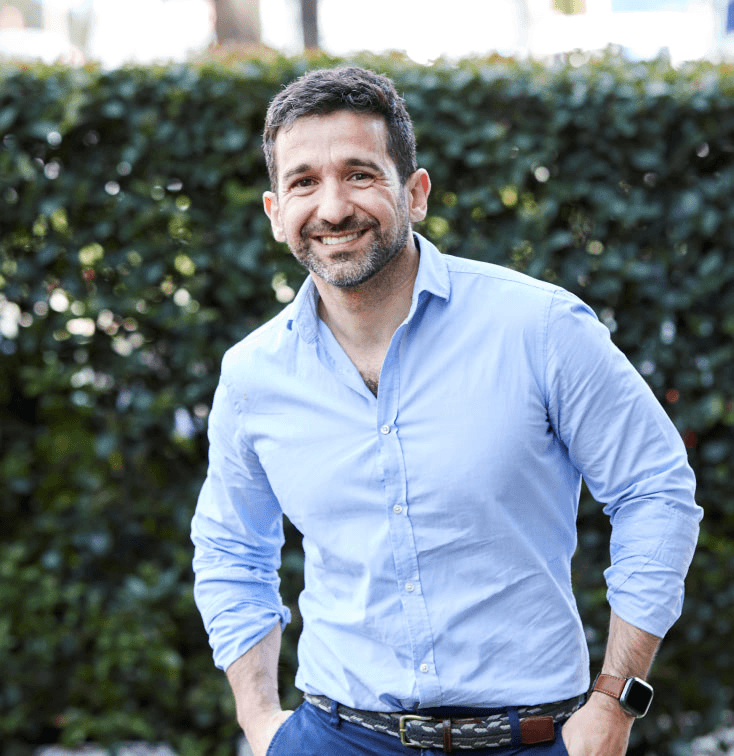
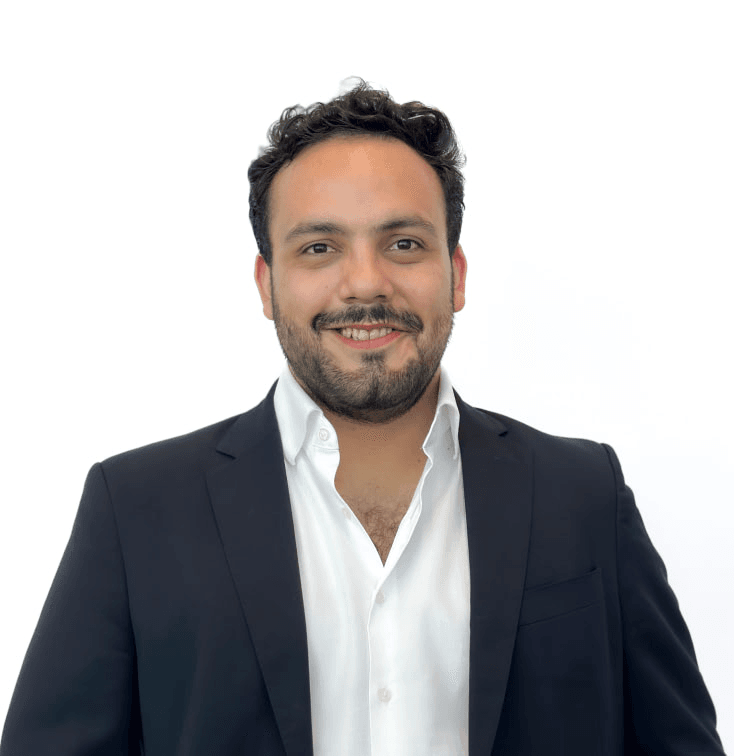
Javier Carrillo.jpg
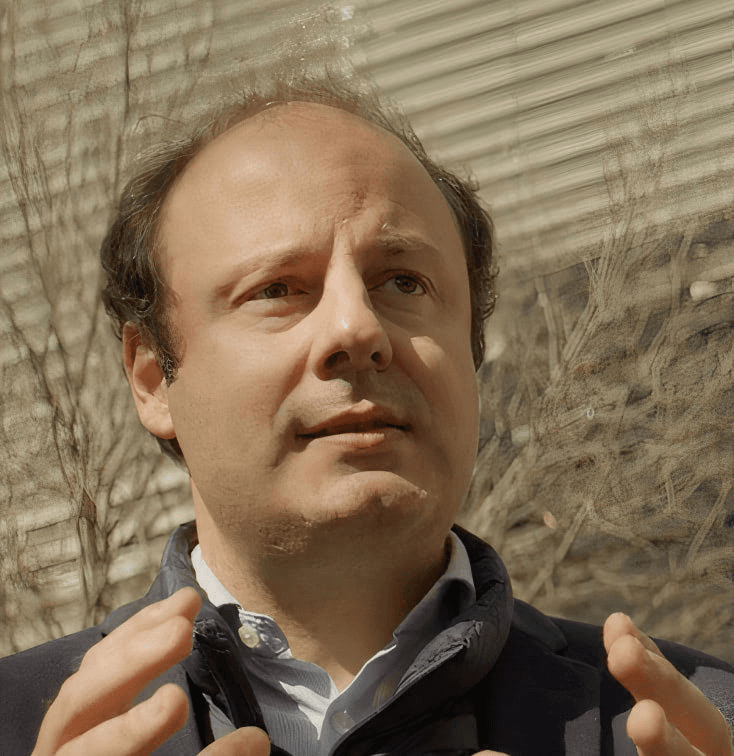
Dr. Javier Carrillo Hermosilla, Director del Área de Entorno Económico de los Negocios de IE Business School
Entre el 24 y el 26 de mayo tendrá lugar en Copenhague el World Business Summit on Climate Change, que contará con la asistencia de Ban Ki-Moon, Secretario General de Naciones Unidas, y de unos 1.000 representantes de empresas, ONGs y gobiernos. Este encuentro, organizado por el Copenhagen Climate Council junto al Pacto Mundial de Naciones Unidas, el World Business Council for Sustainable Development (WBCSD), el Climate Group, 3C y el World Economic Forum’s Climate Change Initiative, es sin duda una antesala crítica para la COP15 de diciembre, que como es bien sabido tendrá lugar también en Copenhague. En ese sentido, las conclusiones a las que se lleguen en estos tres días de debates serán trasladadas como recomendaciones al Gobierno danés, anfitrión de la cita de diciembre, y a Yvo de Boer, Secretario Ejecutivo de la Convención de la ONU para el Cambio Climático.
También hemos asistido recientemente a otro encuentro “preparatorio” de la cumbre de diciembre, en este caso en Washington, a finales de abril, con la participación de las 17 potencias económicas responsables de tres cuartas partes de los gases invernadero. Tras la reciente declaración de la Agencia de Protección Ambiental estadounidense (EPA), afirmando por primera vez que el dióxido de carbono y otros gases invernadero “ponen en peligro” la salud y el bienestar públicos, el representante especial sobre cambio climático de Obama, Todd Stern, se mostró optimista la semana pasada en Washington sobre las posibilidades de alcanzar un acuerdo en Copenhague, si bien reconoció su dificultad. De hecho, parece bastante probable que la propuesta demócrata de establecer un sistema de limitación y comercio de emisiones en EEUU vea pospuesta su aprobación hasta el próximo año.
Recuperando mis anteriores posts sobre el tema [1, 2], ¿llegará el tren puntualmente y con todos sus pasajeros, o lo perderemos una vez más?

23
Mar

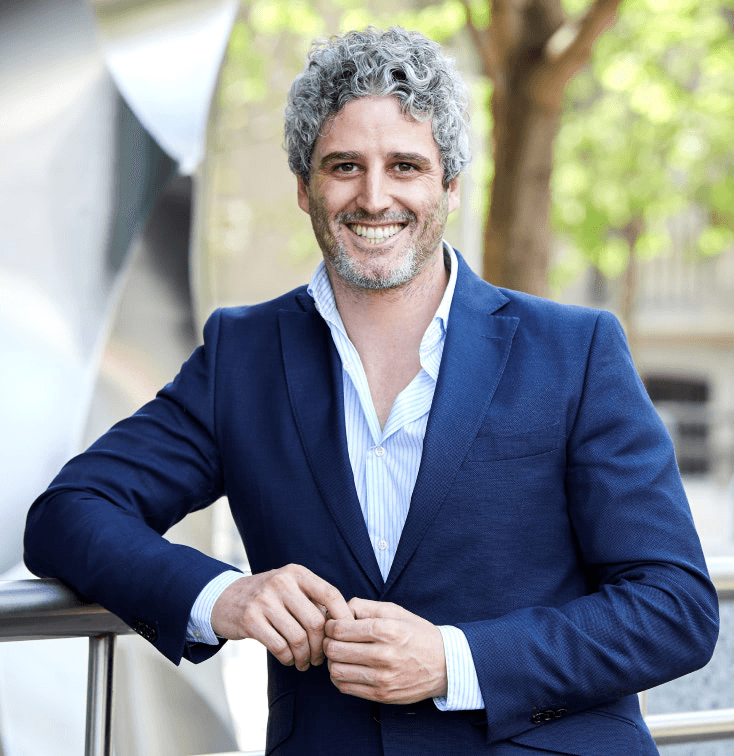
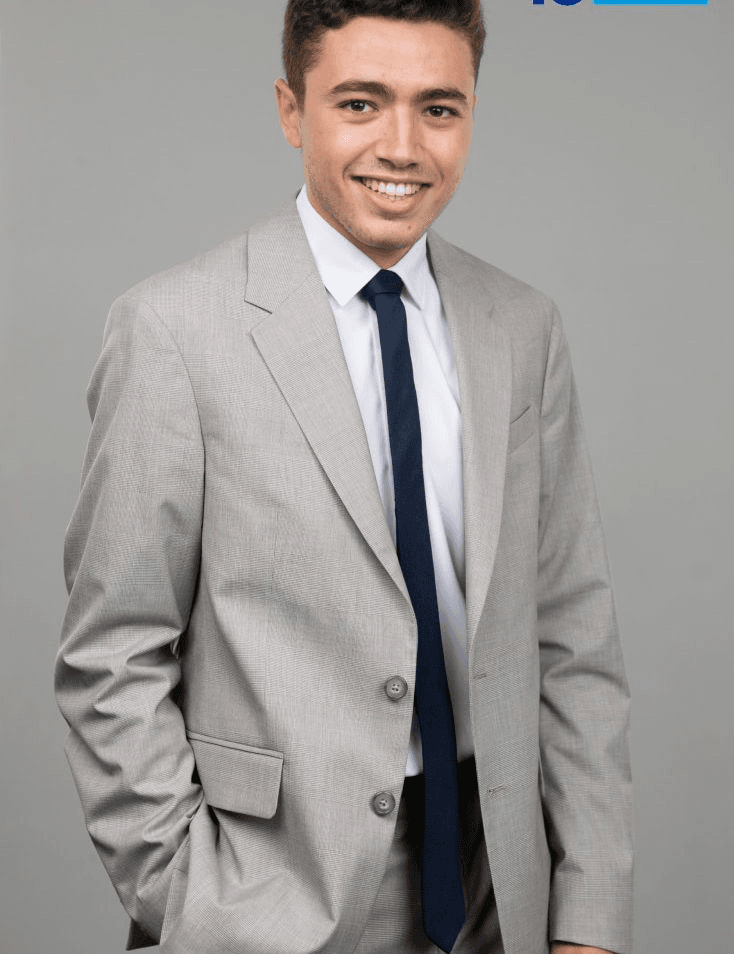
Max_P.jpgMax Oliva, Associate Director, Social Impact Management
expedition-2.jpg
Tomorrow I will be fortunate enough to be traveling to Antarctica, taking part on a once in a lifetime opportunity, The Expedition Antarctic 2009. This is an 11-day student and change makers expedition to Antarctica led by the polar explorer Robert Swan, OBE; the first person in history to walk to both the North and South poles. The Expedition is sponsored by BP and 2041. The team is composed of 63 people from 15 countries and 30 universities and includes experts like Peter Senge or Vivienne Cox, Executive Vice President and CEO of Alternative Energy at BP.
The conversations that will take place on the journey relate to climate change and its relationship with other key challenges such as the provision of energy, water, food, etc. But most importantly, it represents an incredible opportunity to make of this life changing journey the first chapter on a collective conversation, one which explores collaborative interventions and projects which will help us take global actions at a local level.
(Motivation Video before the Expedition)
Upon our return, and while sharing our experience with others, it will be difficult to go beyond the initial perceptions of the penguins, the cold, the clothing gear, which for a Mexican is, not surprisingly, a first time experience. But how can we go beyond this noise, certainly necessary and a “must” introduction to the people back home, but with whom we are obliged to go a step further, and share the moments, the conversations and the magic we are to live in the days to come.
In order to do that, we will begin by sharing the experience “live”. I will be blogging, together with a team of 8 people, on a daily basis from Antarctica. You can follow the conversation, interact and know our exact location during the whole Expedition at Expedition Antarctic 2009.
You can also have a view of the Expediton through Google Maps.

30
Oct

Jeremy Leggett at the SR Forum

Written on October 30, 2008 by Max Oliva in Environment, Net Impact Chapter

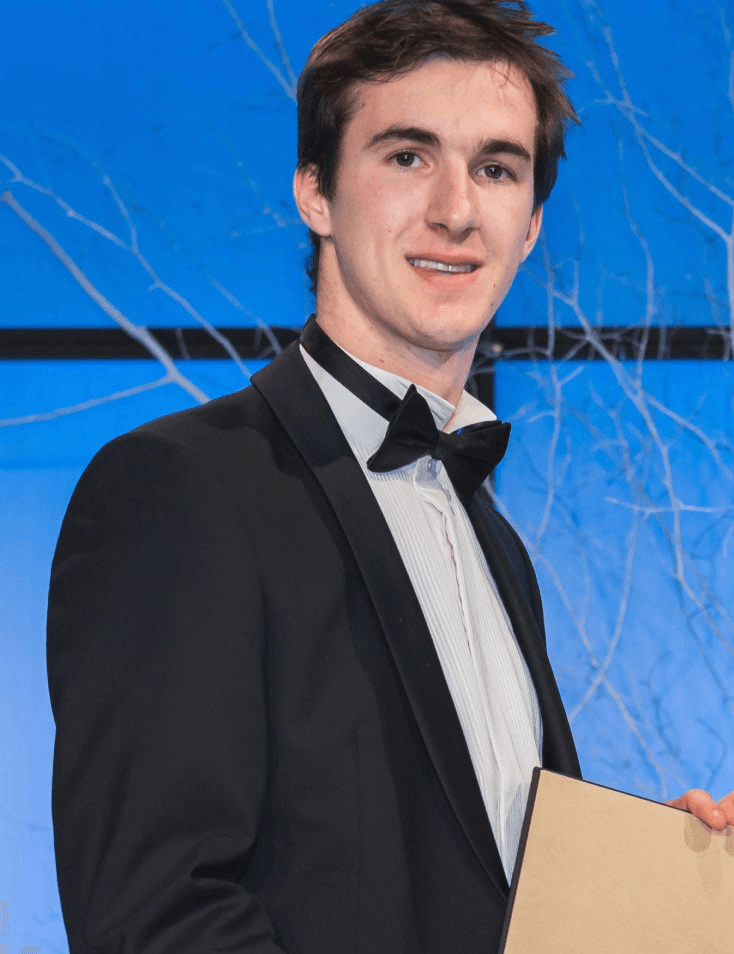
Alex Orme.jpg Alexander Orme, IMBA 2008
We are excited to be welcoming Jeremy Leggett as this year’s keynote speaker at the SR Forum. Mr Leggett will share his views on the potentially disastrous repercussions of reaching peak oil production – a subject on which he is a world expert. Here is a snippet of his thoughts from a recent article published on The Guardian
“Today, eight British companies are warning of a ruinous oil crunch five years from now. We warn that the global peak of oil production will arrive unexpectedly early, resulting in not just a global energy crisis, but potentially the withholding of exports by oil producers and energy famine in oil-importing countries. Previously unimaginable policy interventions in financial markets have suddenly become imperative, and similar interventions in energy markets today may be worth their weight in gold tomorrow, in terms of economic and social damage avoided, especially as this would also help tackle climate change.”
Read more here.
Come and hear him for yourself on 15 November. Be warned! His views are not going to make you feel comfortable but there is a good reason why business leaders and government ministers around the world are taking him extremely seriously…

27
Oct

Max_P.jpgMax Oliva, Associate Director, Social Impact Management
For third straight year, the Social Responsibility Forum will be taking place at IE Business School, November 14 and 15. This is our annual main event which brings together experts who engage in social and environmental issues, be it through corporate social responsibility, starting their own social enterprises or through business endeavours in the environmental arena. Led by IE Students, this years program is fantastic! From social entrepreneurs such as Jonathan Robinson, Barry Colemand and Dr. Andreas Heinecke, who design novel business ideas to tackle social and environmental problems, to trendsetters who work inside today’s mature companies as advocates of policies that take into account the whole range of stakeholders and the environment.
This year we will welcome Mr. Jeremy Legget, chairman of Solar Century and climate change specialist as our keynote speaker.
Find Your Impact 2.jpg
See the full program.
See the list of speakers.
Take part on the career fair and networking event on Saturday.
Compete at the Social Entrepreneurship Buiness Plan Competition, by Sumaq.
Save your spot! We have limited capacity and it promises to be a blast.

2
Sep

Max_P.jpgMax Oliva, Associate Director, Social Impact Management
GE Citizenship Matrix.gif
GE has taken a proactive stance on Corporate Citizenship with initiatives such as ecomagination, which brings together needs from society with their core business. They have now a new site dedicated to reporting their commitments to corporate citizenship, as well as the steps they’re taking when “integrating their business strategies with today’s major trends in world development”. They include an interactive citizenship matrix which explores the areas which meet the priorities of both society and their company.
What’s most interesting is that they also bring to the conversation different perspectives from global stakeholders in relevant issues like energy and climate change trends, supply chain management and labor challenges worldwide. One of these perspectives is from Sean Ansett, Founder of At Stake Advisors, an international expert on the matter.
AtStakeAdvisors.jpg
“Companies with global supply chains face significant challenges in order to ensure that their suppliers make safe and quality products and that they are produced on time and at competitive prices. In addition, stakeholders increasingly expect companies and their business partners to respect and implement national and international labor and environmental standards in their workplaces. This challenge becomes even greater when companies source suppliers from countries without adequate government enforcement.”
It is when bringing multi-stakeholder perspectives from around the globe in order to analyze our most pressing problems, and linking them with our core competences, that we can come to collaborative and much more ambitious actions and solutions.

  • Comments (6)
  • Comment
  • Trackback
29
Aug

Measuring Impact

Written on August 29, 2008 by Max Oliva in Corporate Responsibility, Development, Environment

Max_P.jpgMax Oliva, Associate Director, Social Impact Management
Measuring Impact.jpg
The WBCSD has developed a new tool in order to assess the social impact of business. Through a stakeholder engagement framework, it follows four steps in order to have both, better relations and make better decisions. These four steps are: Setting boundaries, measuring direct and indirect impacts, assessing contribution to development and prioritizing management response.
It looks very interesting and has both content, contribution from various stakeholders, and practicality, which allows it to be accessed by different companies in order to engage on the conversation.
Stakeholder Engagement s.jpg
The WBCSD measuring impact framework can be used across sectors, by operations in different settings and environments and can be tracked overtime. It offers an analysis on governance & sustainability (including corporate governance and environmental management), assets (infrastructure, products and services), people (jobs, skills and training), and financial flows (procurement and taxes).
It certainly deserves the time to understand the framework, go through the “easy to use guide” and use the excel model, which allows to implement the model according to your company’s specific needs.

28
Aug

Max_P.jpgMax Oliva, Associate Director, Social Impact Management
I have always had a struggle to find a compelling and inclusive way to address ethics, that is until now. Luckily for me, I had the chance to meet Oscar Motomura at the 2008 IC of AIESEC. If we consider ethics to be the choice for the common good, I share with you the “Reflections on ethics and the process of making things happen: effective implementation of solutions for critical sustainability equations.”
If ethics is the choice for the common good (global reach and including all living beings):
1. Deciding to act small because it is more comfortable… is not ethical;
2. Deciding to hold back (your proposals, ideas and actions) because you don’t want to go against “the group” … is not ethical;
3. Deciding to doing the possible instead of trying to make the impossible possible… is not ethical;
4. Deciding to use just a part of your potential (to “save” it for self interest purposes) … is not ethical;
5. Deciding not to act, to stay silent, letting fear stay in the way… is not ethical;
6. Deciding to conform to the “letter of the law” instead of persisting on the path defined by the “spirit of the law” … is not ethical;
7. Deciding not to try because nobody tried it before… is not ethical;
8. Deciding not to pursue the perfection and conform to what seems “negotiable” … is not ethical;
9. Deciding to postpone bold actions again and again “waiting for the right moment” … is not ethical;
10. Deciding to “play the game” and pretend that you are not seeing the manipulations underway… is not ethical;
11. Deciding to live in the realm of ideas, diagnosis and theories instead of taking the risks and going for actions… is not ethical;
12. Deciding to act only when all is scientifically proven, even when the truth is self evident… is not ethical;
13. Deciding to reject all radically creative ideas (yours including) when the “traditional-not-so-radical ideas” have not been working… is not ethical;
14. Deciding to reject every proposal that looks “idealistic” or “utopic” … is not ethical

23
Jun

Max_P.jpgMax Oliva, Associate Director, Social Impact Management
The Economist is holding an online debate on Corporate Sustainability. The main question their asking is weather outside pressure is required for companies to take meaningful action on sustainability. The debate will be held during this week and until June 27th.
On the Pro side, Mindy Lubber, President of Ceres, comments on her opening statement the following:
“Outsiders—investors, environmentalists, public interest groups, other industry experts—have an essential role in pressuring companies on their handling of environmental and social threats. They should be asking tough questions; they should be offering creative, out-of-the-box ideas; they should be demanding real action; and they should be holding companies accountable.”
On the Con side, Björn Stigson, President of the WBCSD opens with the following statement:
“The resolution puts the relations between business and the rest of society into unhelpfully antagonistic terms. Business, in the black hat, is the recalcitrant offender, with no internal motivation to do the right thing while outside parties are the good sheriff, enforcing meaningful action on sustainability in an otherwise lawless frontier.
The resolution implies the following:
1. External influences are the main motivation for corporations in addressing sustainability issues.
2. Pressure is the best description of the relations between stakeholders and business.
3. Corporations always resist external accountability.
4. External pressure is both necessary and sufficient to get corporations to take meaningful action on sustainability.”
Where do you stand on this debate? Take part on the conversation at the Debate Hall.

  • Comment (1)
  • Comment
  • Trackback
28
Apr

Seguridad Energética

Written on April 28, 2008 by Max Oliva in Development, Environment

Manuel Rincon.jpg
Manuel Rincon, PhD, Knowledge Management Officer, United Nations ESCAP
La Seguridad Energética (Energy Security) está en muchas de las agendas de discusión de Asia y del resto del mundo. Este tema interdisciplinar nos interesa desde una de sus perspectivas, las oportunidades de negocio que está generando para el sector privado, las ONGs y los gobiernos de países desarrollados y menos desarrollados.
Los 62 países de Asia Pacífico están reunidos en la sede de Naciones Unidas de Bangkok para definir el conflicto y proponer medidas. Están buscando estas oportunidades en toda la cadena de valor del sector energía, desde la generación hasta la atención al cliente, pero las más claras las ofrece la financiación e inversión de la infraestructura y la provisión de nuevos servicios energéticos.
La Seguridad Energética se define de la forma más simple como el conjunto de medidas para la protección contra la falta de fuentes de energía a precio razonable, que para los países importadores de energía significa la búsqueda de oferta externa garantizada. Pero el concepto cobra toda su dimensión cuando se refiere a los más desfavorecidos. Así el objetivo de la Seguridad Energética se establece como la garantía de acceso a energía para los pobres, así como la promoción de energías sostenibles.

Read more…

25
Apr

Max_P.jpgMax Oliva, Associate Director, Social Impact Management
The Aspen Institute has just released their “Where Will They Lead? 2008” survey of more than 1,900 MBA student’s attitudes about business and society. It is interesting when compared with the same surveys they’ve realized several years ago, which show interesting trends and a promising growth on the conversation, although it proves that we still have a long way to go in order to provide proper content in order to make the case in “value terms” in regards to business and society.
Where will they lead 2008.jpg
 Some key findings that deserve to be highlighted are that MBA programs definitively influence the way students think about the role of business and its relationship to society once they become managers and leaders.
 Business students in 2007 are thinking more broadly about the primary responsibilities of a company, considering “creating value for the communities in which they operate” as a primary business responsibility.
 MBA students express more interest in finding work that offers the potential of making a contribution to society. 26% of respondents say it is an important factor in their job selection compared with 15% in 2002.
 Yet, business schools and companies have not convinced them that environmental and social responsibility contribute to corporate financial success.
As Clear Admit Blog states, “In a broader sense, the most important finding is that students seem to be taking a more holistic view of the role of business in society,” Nancy McGaw, deputy director of the Aspen Institute Business and Society Program, said in a statement announcing the report’s release. “But the findings also suggest that while students may have these values, many of them sense those beliefs are not valued by employers or linked to career opportunities.”
Here you can see the evolution of the survey, which proves a very positive evolution, but still, a long way to go.
Where will they lead 2003.jpg
Where Will They Lead? 2008 Survey
Where Will They Lead? 2003 Survey
Where Will They Lead? 2001 Survey.

  • Comment (1)
  • Comment
  • Trackback
Pages: 1 2 3 4 5 6 7 8 9 »